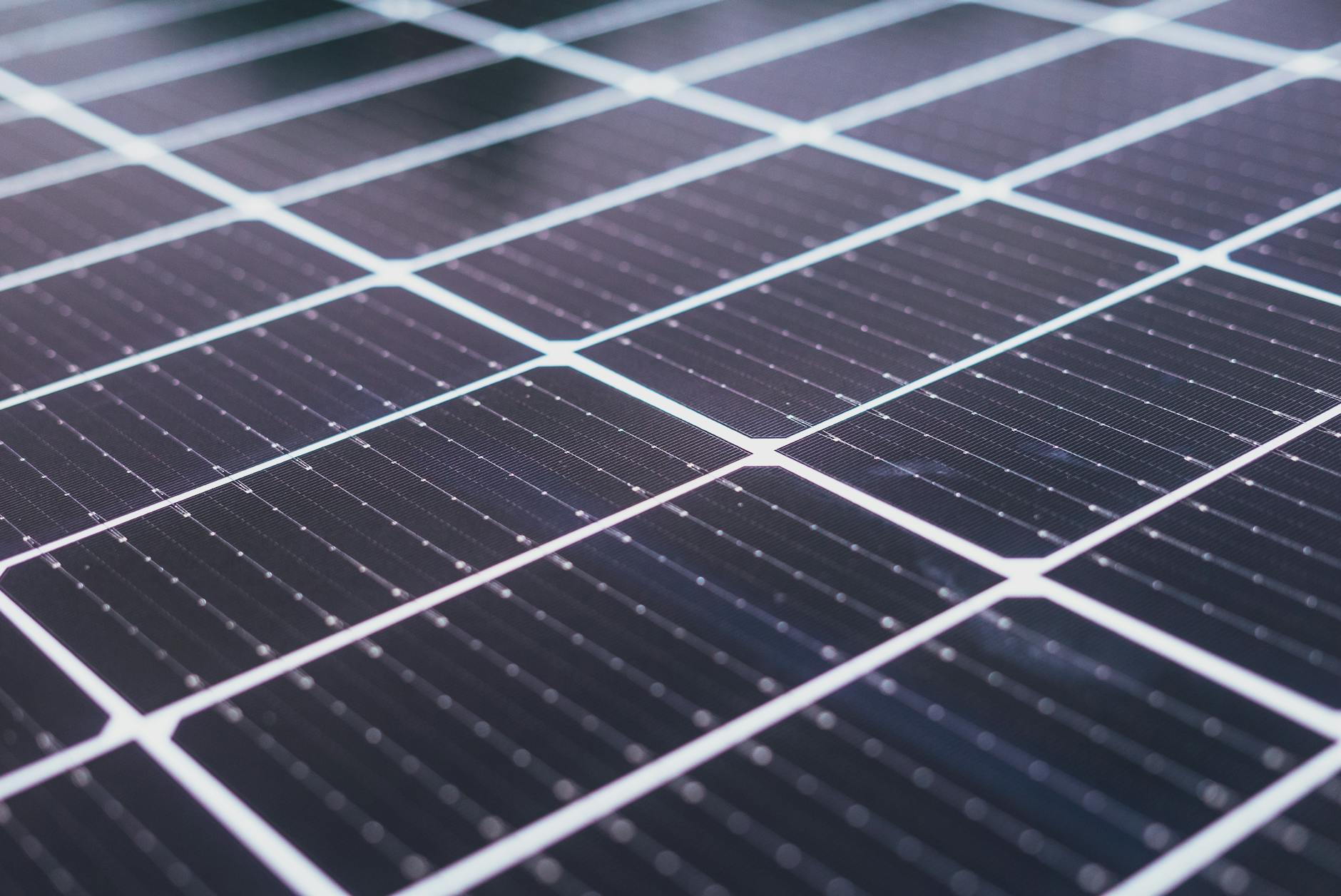
How to Find Reliable Solar Installers in the United States
Factors to Consider
When considering photovoltaic installation in Austin, understanding several key factors can make a considerable difference in success. Firstly, it's crucial to evaluate the professional credentials of potential installers. Many solar power installation companies offer certifications that indicate industry-standard training and expertise.
Moving on to the installation experience, make sure to assess the company's track record. Look for successful projects similar to yours, especially those that utilize innovative approaches seen right here in our community, such as the sustainability initiatives at Zilker Park. An experienced installer should be familiar with local regulations and the unique climate of Texas, which directly affects the installation and performance of solar panels.
Another vital consideration is the company's reputation. Check online reviews and ask around for word-of-mouth recommendations. A strong presence in the local community, similar to the involvement seen in sustainability efforts at the University of Texas at Austin, often speaks volumes about a company's reliability.
Among various options, choosing cheap solar installation might seem tempting; however, the cheapest option isn't always the best. Balancing cost with quality and durability is key to making an informed decision. By focusing on these factors, you can feel more confident as you transition to solar energy in your home.
Research Methods
Online Research Strategies
When you begin your journey of finding reputable solar installation companies in Austin, start by using online platforms. Look for reviews on websites like Yelp and Google to gauge customer satisfaction and project quality. It's also helpful to visit forums or community pages dedicated to sustainability topics. Many Austin residents actively discuss their own experiences here, which can provide practical insights. Remember, to stay mindful of differing perspectives, and don’t hesitate to ask questions if something isn’t clear.
Using Local Resources
Local resources can significantly enhance your research. Take advantage of the energy research projects at the University of Texas at Austin. They often collaborate with solar panel experts, providing valuable insights into the current trends and technologies in solar energy. Sometimes, these academic sources offer recommendations on ethical and successful solar installation companies. Besides, local workshops or events at places like Zilker Park frequently showcase sustainability initiatives, offering platforms to meet professionals who might help guide your selection process.
Networking for Recommendations
Networking is a critical step. Attend community meetings, like those held in connection to Zilker Park's sustainability initiatives or events at Barton Springs Pool focused on eco-friendly practices. These gatherings often attract environmentally conscious individuals and professionals in the solar industry. By engaging with them, you might discover reliable solar installer near me or solar panel installers near me that others in the community trust. Remember, word of mouth from trustworthy sources is an invaluable asset in your decision-making process.
Installation Process Insights
Understanding Technical Requirements
When planning a ground mount solar installation for your home in Austin, it's essential to grasp the technical necessities involved. These systems usually require a substantial open space, as the panels are placed on mounting structures rather than rooftops. Consider soil type and land topography to ensure stability and optimal sunlight exposure. Talking with professionals who are familiar with local conditions around places like Zilker Park can provide practical insights.
Project Timeline Expectations
Timeframes for install solar panels can vary, so setting clear expectations is critical. Typically, a thorough site assessment and permitting process could take several weeks, followed by the actual installation, which usually wraps up within a week. It's wise to account for potential delays, such as supplier schedules or weather conditions, so that your project stays on track. Connecting with others who have undergone solar installations might offer you insight and prepare you for each phase.
Importance of Aftercare Services
Once your solar panels are installed, regular maintenance and aftercare services become a significant aspect of your journey toward sustainable energy. Choosing a provider that offers comprehensive aftercare ensures your system runs efficiently and any issues are promptly resolved. Much like the eco-friendly practices seen at Barton Springs Pool, ongoing care for your solar set-up not only extends its lifespan but also maximizes its environmental benefits, empowering Austin residents to make conscientious energy choices.
Best Practices for Selecting the Right Solar Installer
Conducting Background Checks
When exploring solar panels installation, it's vital to prioritise thorough background checks of potential contractors. This step ensures that the people who will work on your home are credible and reliable. Look into their licensing and any potential lawsuits or complaints filed against them. Visiting forums where locals discuss their experiences can also provide insights that are specific to Austin. Understanding who's recommended or advised against could save you a lot of hassle down the line.
Reviewing Contract Details
Before committing, take time to scrutinise every detail of the contract. Check for specifics on warranties, installation timelines, and the scope of the project. You don't want any surprises later, especially when it comes to cost and maintenance plans. Pay attention to the fine print about service agreements and future liabilities. It might help to have someone with legal knowledge review the contract to spot any hidden pitfalls.
Asking Essential Questions
A significant part of selecting the right installer involves not holding back on essential questions. How do you determine your quotes? What does a solar installation calculator reveal about my potential savings and energy footprint? Will there be any additional fees? Make sure they clarify what happens post-installation, such as service visits or breakdowns. With insights shared by the community-focused sustainability efforts around Austin, like those at Barton Springs Pool, asking these questions empowers you with the information to make sound, environmentally conscious decisions.
Common Mistakes to Avoid
Overlooking Warranty Options
One common oversight in solar panel installation is ignoring warranty coverage options. Here in Austin, with our vibrant sunshine and occasional storms, ensuring those panels come with solid warranties is crucial. Zilker Park has shown us the importance of sustainable practices, and ensuring longevity in our investments aligns with that. Before committing, ask your installer about the duration and scope of coverage, from equipment to installation services. A comprehensive warranty safeguards not only your panels but also your peace of mind.
Ignoring Customer Experiences
It's easy to bypass customer feedback, but doing so would be like dismissing our community's insights—something we wouldn't dream of doing here! Reviews serve as valuable windows into what to expect. Consider tapping into local platforms or community forums around Austin, similar to sustainability discussions at Barton Springs Pool, where genuine experiences shed light on solar companies. Dedicating time to this research can illuminate potential issues or standout services.
Skipping Financial Assessment
Last but never least, don't skip the financial assessment. Many residents, influenced by the University of Texas at Austin's energy research projects, have found budget-friendly solar options by evaluating cost per watt solar panel. Factor in tax incentives and financing opportunities, and you'll find that solar can be viable even on modest budgets. Understanding this financial aspect helps ensure the project supports both your economic and environmental goals. Let's look at the bigger picture and make wise, informed choices for our beloved community.